An exploration of the digital as a cult—its promises of salvation through technology and its language of mass manipulation.
Country, year
Austria, 2006
Runtime
4 min
Concept, editing
Sebastian Brameshuber
Thomas Draschan
Producer
Sebastian Brameshuber
Thomas Draschan
Amour Fou Filmproduktion Vienna
Film format
Digital found footage
Screening format
Digibeta, 1:1,33, stereo
Supported by
BKA Innovative Film
World premiere
Independent Film Show Naples 2006
Festivals (selection)
EMAF European Media Art Festival, Osnabrück 2007
Impakt Festival, Utrecht 2007
Diagonale, Festival of Austrian Film, Graz 2007
Postfordist Tripping
A direct line could be drawn from Henry Ford to Steve Jobs. The terms to be examined along this line would then be innovation, pioneering spirit, entrepreneurship and the fusion of technology and manpower. The reverse side of this American dream would be exploitation and biometric control, as well as the entanglement of consumption and political propaganda. In Keynote, a video produced in 2006 by Sebastian Brameshuber together with the artist and filmmaker Thomas Draschan, this genealogy resonates, not least in the pseudonym Fordbrothers, which the two chose for their joint artistic output at the time.
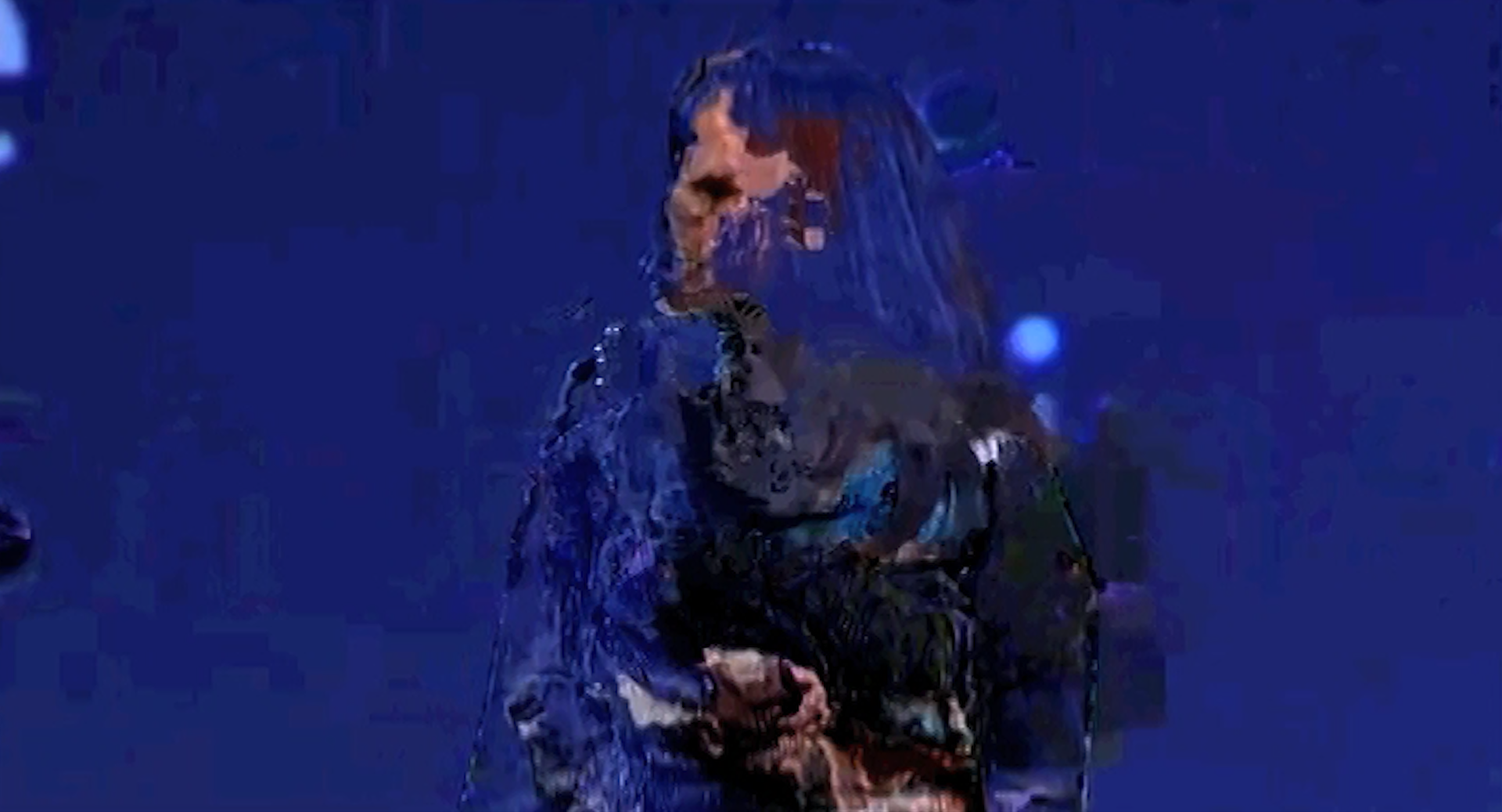
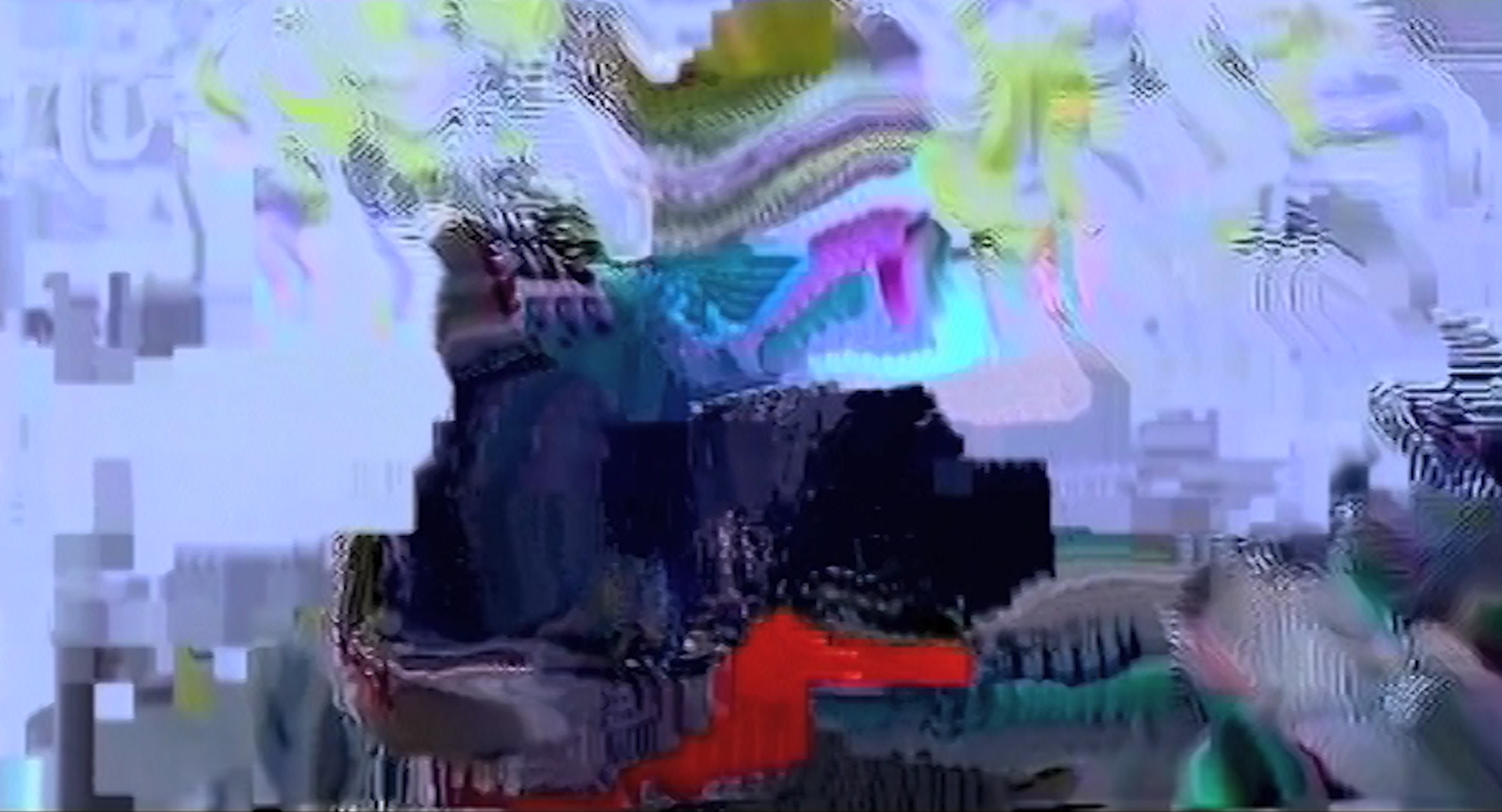
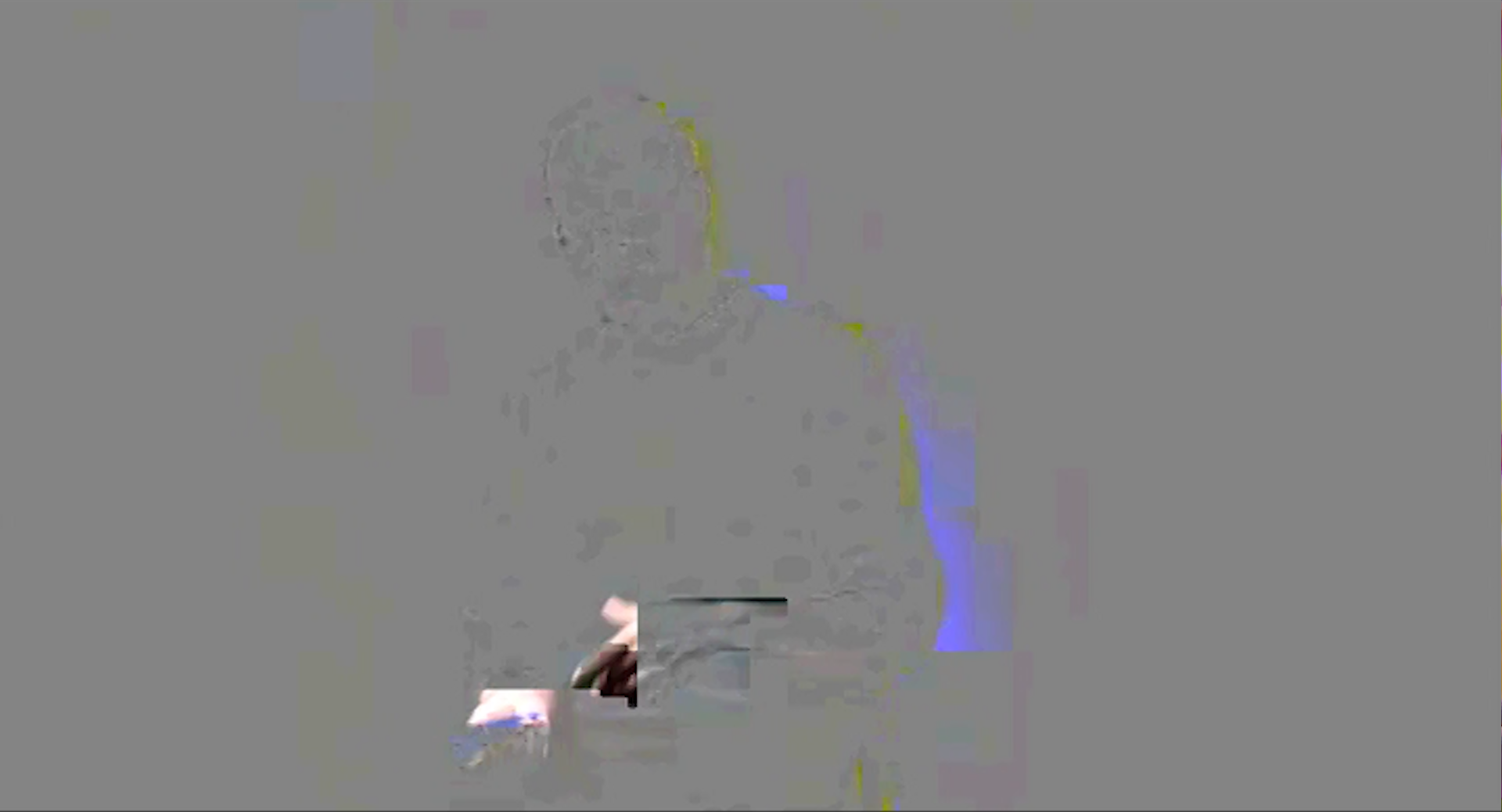
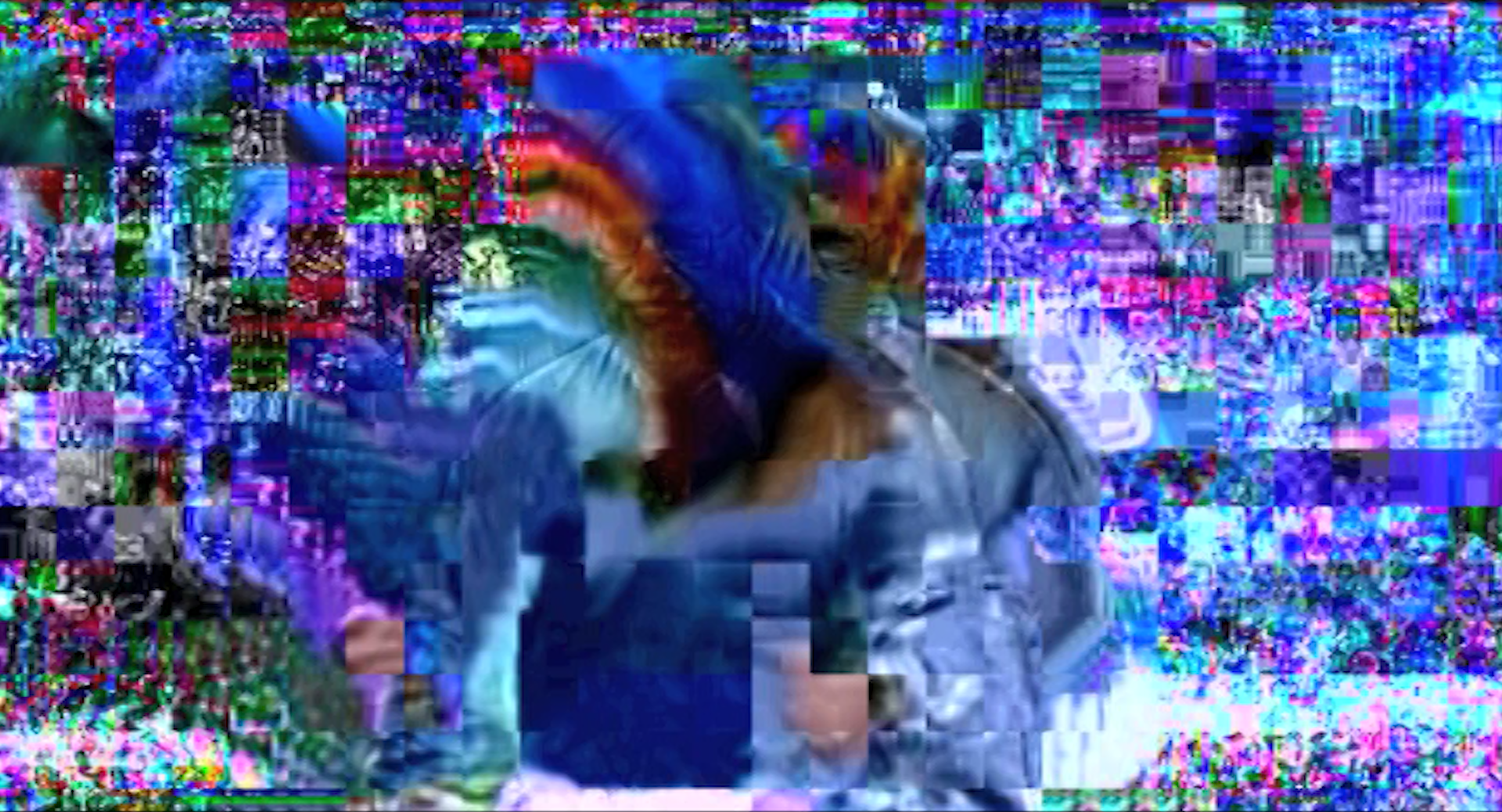
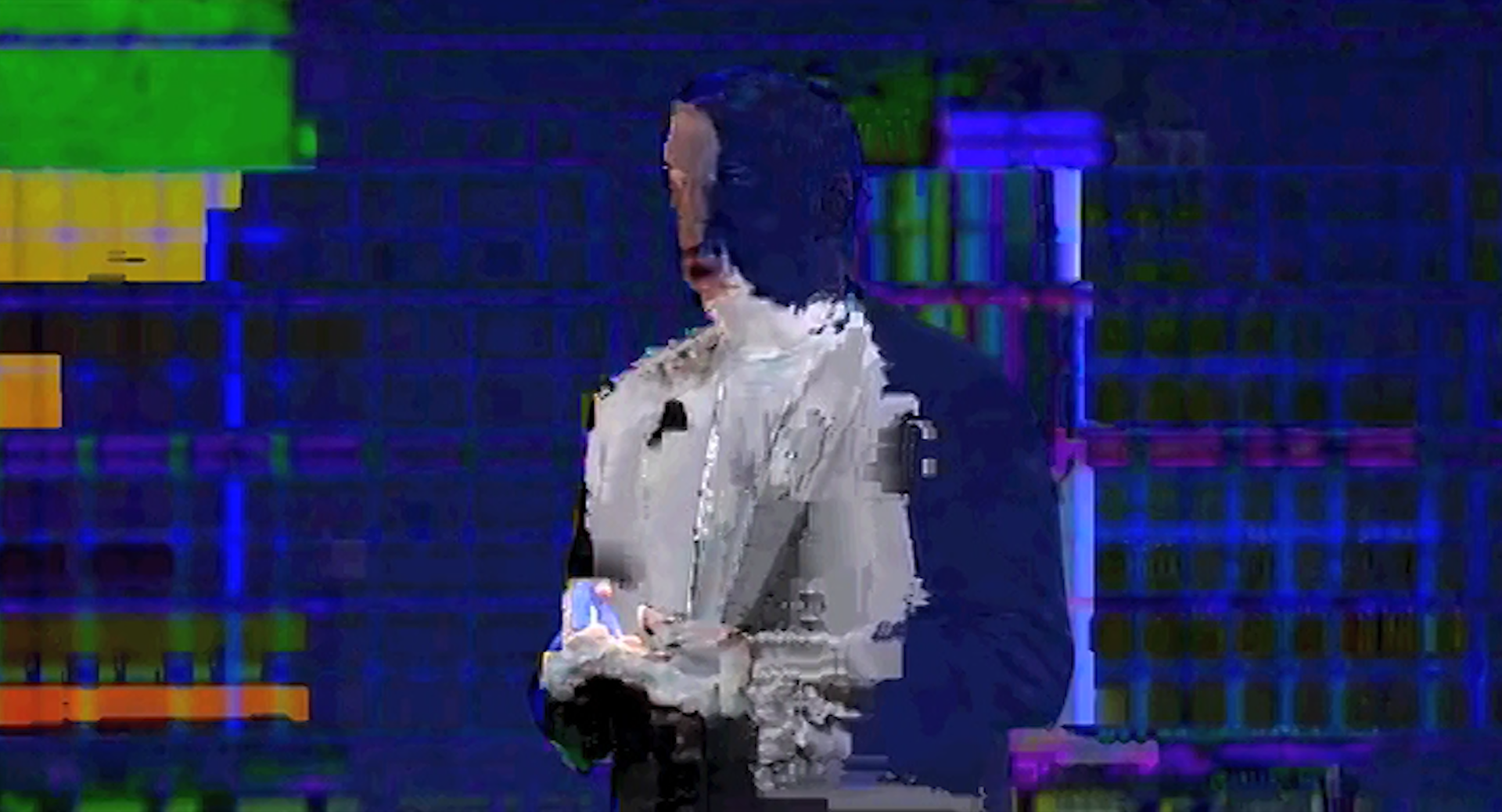
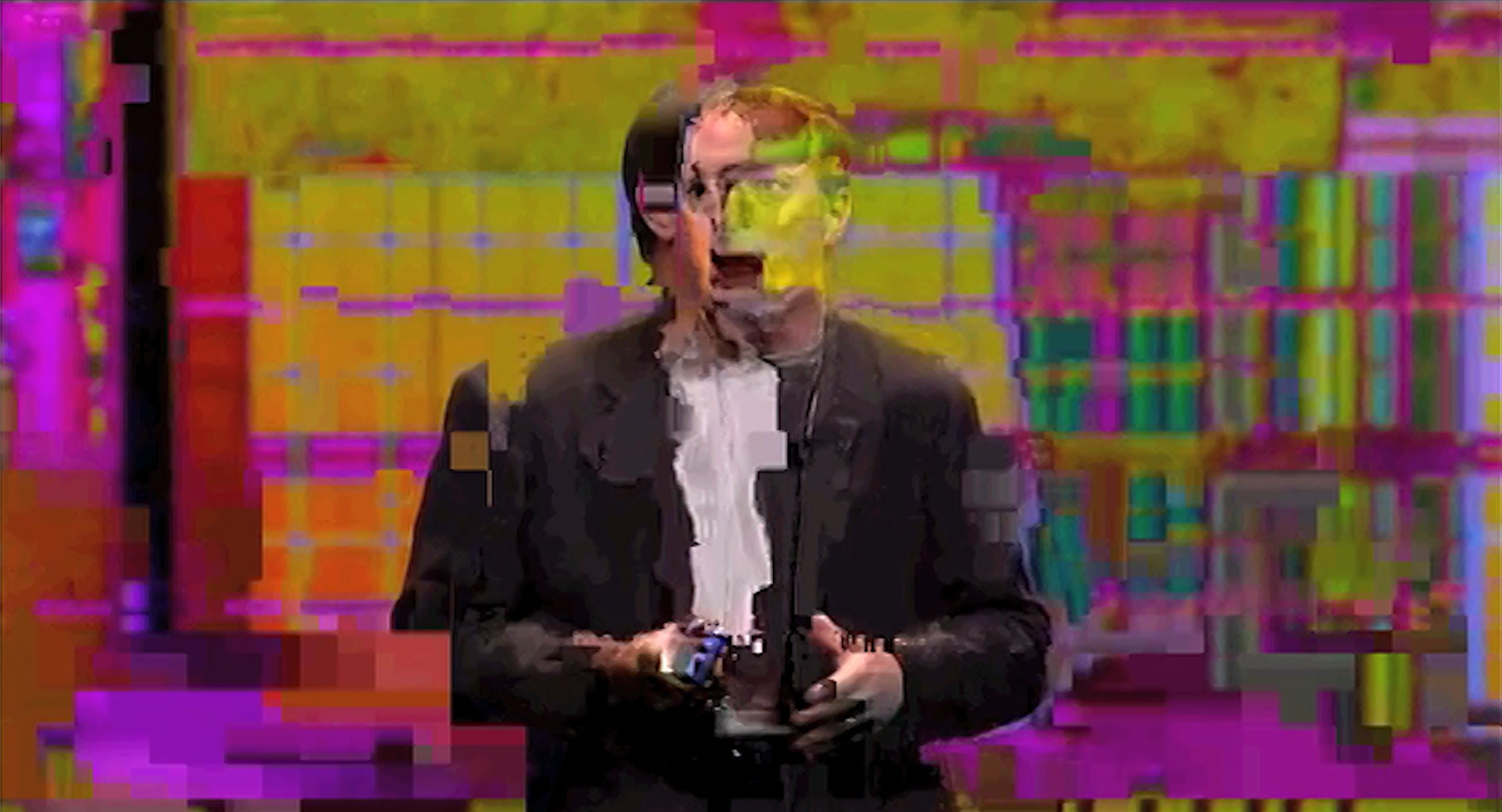
When a keynote speech is given, the speaker specifies the leitmotif of an evening, a conference or a company. Where should/will things progress in the next few years? What’s the plan that everyone will ultimately be committed to? In Keynote the already unstable audio and video stream of an Apple public relations event is deconstructed by superimpositions, inversions and repetitions in such a way that the speeches of the various protagonists turn into stuttering. “Co-, co-, come!”—or is it a more salacious “cum, cum, cum!”—marks the beginning of the recording. Accompanied by lulling lounge music, some leitmotifs do finally emerge: thus, boundaries that need to be shifted are evoked, and so is the navigation of the digital universe, and a future, now ready to begin through technological innovation. On the image plane, on the other hand, interference and transmission errors are even intensified. Glitches, pixelated outlines and psychedelic colors appear like hallucinations. From time to time the speakers, among them Steve Jobs, are recognizable, then they dissolve again in the data stream, while monstrous forms emerge from the images that seem to embody the latent content of the speeches.
The film begins with a statement by Steve Jobs as quoted by John Markoff in his book What the Dormouse Said: How the Sixties Counterculture Shaped the Personal Computer Industry, which, however, the Fordbrothers only reveal at the end. It revolves around the overlaps between the American counterculture of the 1960s and 1970s and the inventions of the computer industry. The question/thesis cautiously posed in Keynote is: Was it the omnipresent phenomena of the time (think of the simultaneous blossoming of Expanded Cinema and psychoactive substances) that set developments such as iMac, iPod and iPhone in motion? And if so, where does the horror trip go?
From Bilder, Falten (Le Studio, Edition 1)
Claudia Slanar
1/6
Excerpt from the interview “A Distrust of Myself, of the Other Within Myself” — Pt. 2
by Alejandro Bachmann
(AB)
Let’s talk about the rules of a “good” documentary. Considering the “average viewer” and disengaging from these thinking patterns: might this be where the shorter works come into play, those that might fall into the experimental category—the avant-garde, the experimental film, video works—a genre, so to speak, that cries for constant transgression and rule-breaking and in which the deconstructive aspect is in a certain sense already inscribed? Or is there, especially in Austria, a school, perhaps more than one—structural film in all its facets, this interest in materiality, apparatus and so forth—to which one has to position oneself from the start? The dissolving images in Preserving Cultural Traditions in a Period of Instability, the formats and materialities in In, Over & Out—all that seems like an intense exploration of the medium itself. Are your documentaries a form of attention to the world and your experimental work a look at the medium’s inner workings?
(SB)
As I described at the outset of our conversation, it was my encounter with an avant-garde film, and consequently with the genre, that awakened my deeper interest in film and the moving image. The three works that stand in the tradition of structural film—Preserving Cultural Traditions in a Period of Instability, Keynote, and In, Over & Out—the first two of which I made with Thomas Draschan under the moniker “Fordbrothers,” are very playful and anything but rigid, but still no less serious, I think. While the title Preserving Cultural Traditions in a Period of Instability was meant ironically, there is a seriousness to the film, an ambiguity, as is often the case with humorous works.
In Keynote we reworked a keynote speech from Apple Inc. we streamed online into a sort of structural slapstick film. In this case we were also deeply interested in working with language, because we rearranged the found sound material into a new composition. Back then, Silicon Valley proclaimed the coming of a Digital Wonderland, but when that proclamation reached the other end of the line at Grüngasse in Vienna’s fifth district, all that was left of it were ruins and twitching, contorted, melted human beings, a collapsing world of pixels populated by zombielike figures. Like a broken promise or an evil, morbid premonition that this Promised Land also had its dark sides—with Steve Jobs as the sorcerer’s apprentice who conjured the spirits, probably during one of his LSD trips, which he is said to have classified as one of the three most important experiences of his life. Hearing myself describe Keynote like this, I now realize that this big promise that was doomed to fail from the get-go reappears in Movements of a Nearby Mountain.
Postfordist Tripping
A direct line could be drawn from Henry Ford to Steve Jobs. The terms to be examined along this line would then be innovation, pioneering spirit, entrepreneurship and the fusion of technology and manpower. The reverse side of this American dream would be exploitation and biometric control, as well as the entanglement of consumption and political propaganda. In Keynote, a video produced in 2006 by Sebastian Brameshuber together with the artist and filmmaker Thomas Draschan, this genealogy resonates, not least in the pseudonym Fordbrothers, which the two chose for their joint artistic output at the time.
When a keynote speech is given, the speaker specifies the leitmotif of an evening, a conference or a company. Where should/will things progress in the next few years? What’s the plan that everyone will ultimately be committed to? In Keynote the already unstable audio and video stream of an Apple public relations event is deconstructed by superimpositions, inversions and repetitions in such a way that the speeches of the various protagonists turn into stuttering. “Co-, co-, come!”—or is it a more salacious “cum, cum, cum!”—marks the beginning of the recording. Accompanied by lulling lounge music, some leitmotifs do finally emerge: thus, boundaries that need to be shifted are evoked, and so is the navigation of the digital universe, and a future, now ready to begin through technological innovation. On the image plane, on the other hand, interference and transmission errors are even intensified. Glitches, pixelated outlines and psychedelic colors appear like hallucinations. From time to time the speakers, among them Steve Jobs, are recognizable, then they dissolve again in the data stream, while monstrous forms emerge from the images that seem to embody the latent content of the speeches.
The film begins with a statement by Steve Jobs as quoted by John Markoff in his book What the Dormouse Said: How the Sixties Counterculture Shaped the Personal Computer Industry, which, however, the Fordbrothers only reveal at the end. It revolves around the overlaps between the American counterculture of the 1960s and 1970s and the inventions of the computer industry. The question/thesis cautiously posed in Keynote is: Was it the omnipresent phenomena of the time (think of the simultaneous blossoming of Expanded Cinema and psychoactive substances) that set developments such as iMac, iPod and iPhone in motion? And if so, where does the horror trip go?
From Bilder, Falten (Le Studio, Edition 1)
Claudia Slanar