
Preserving Cultural Traditions in a Period of Instability
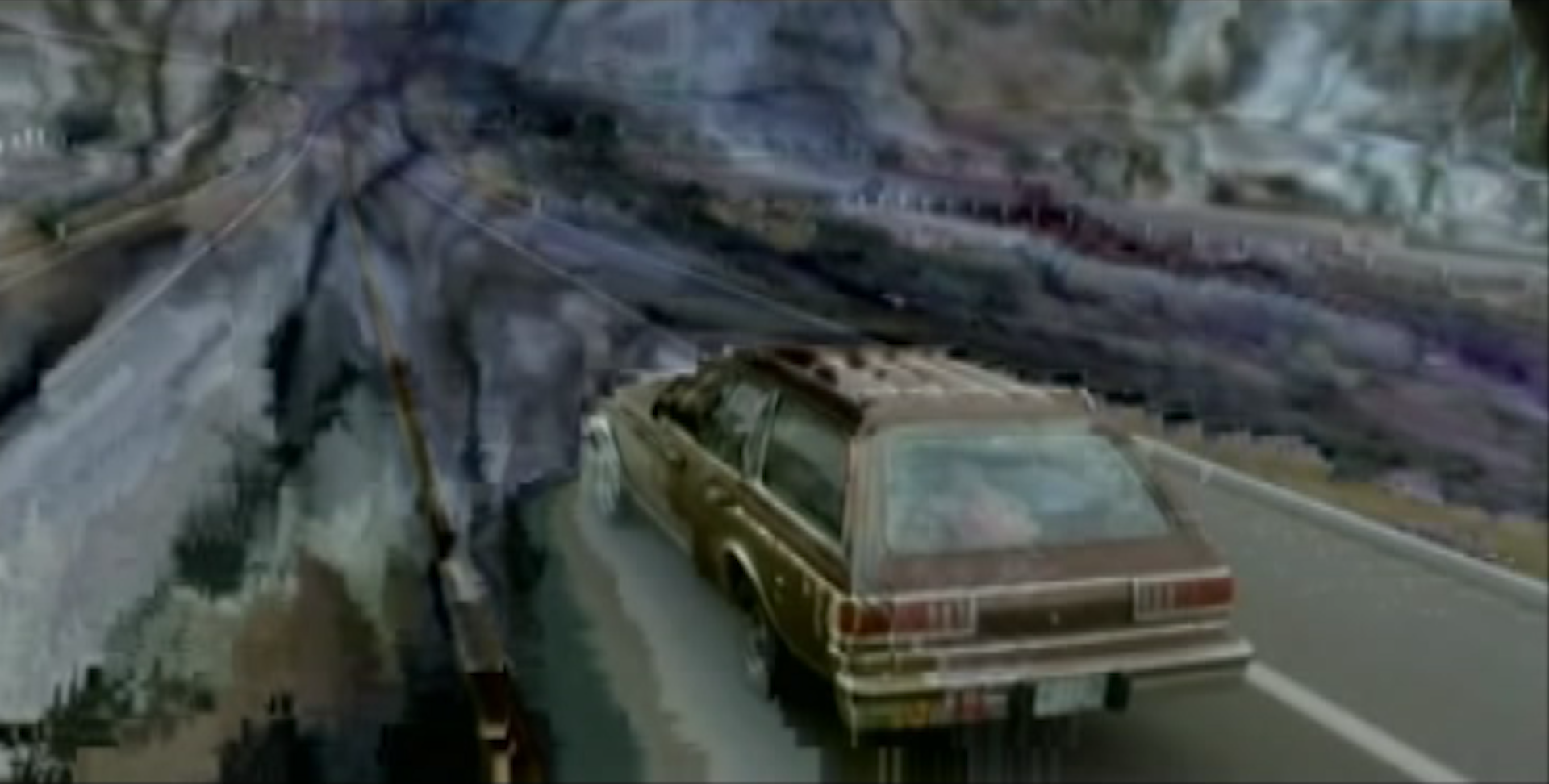
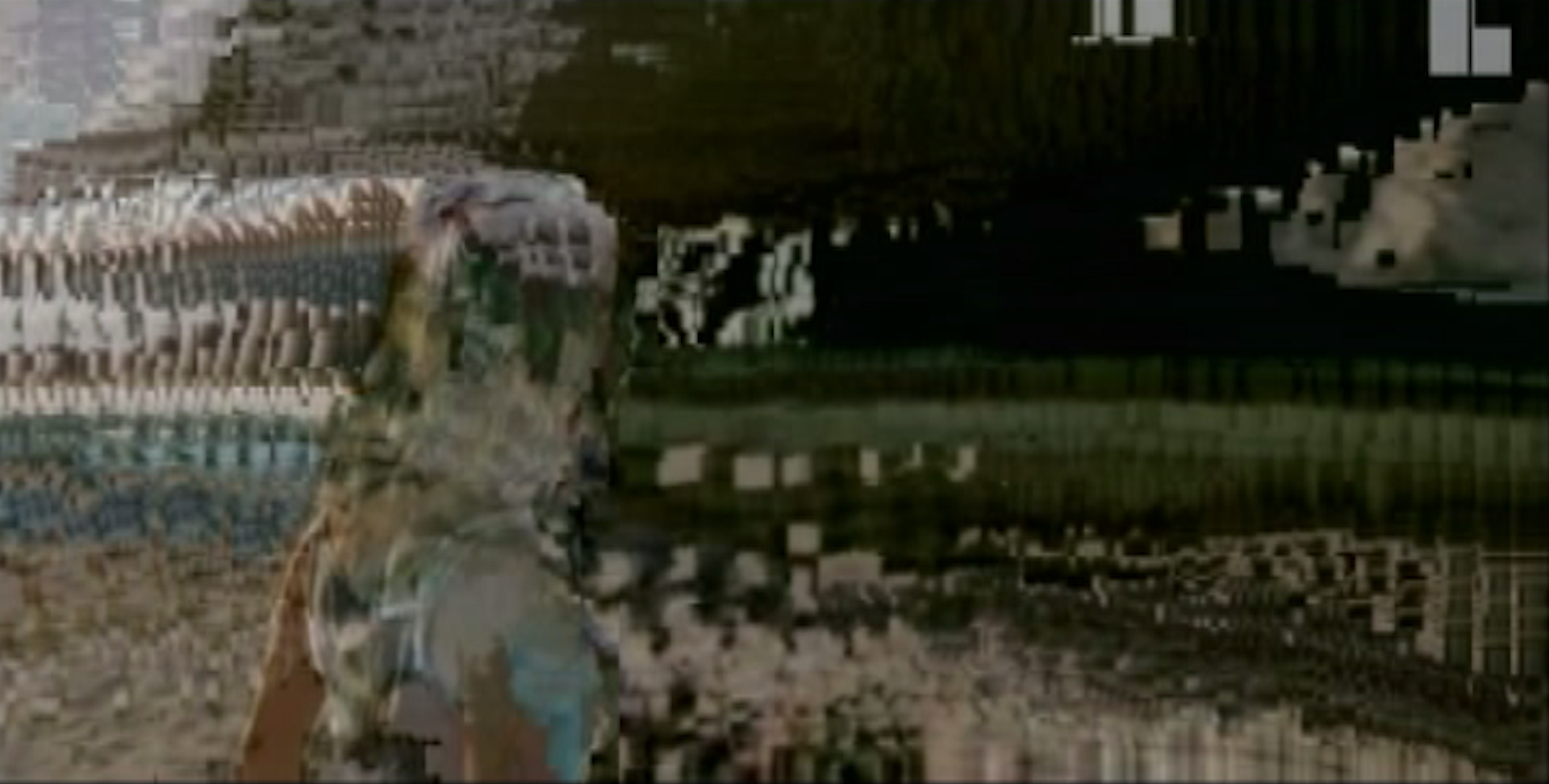
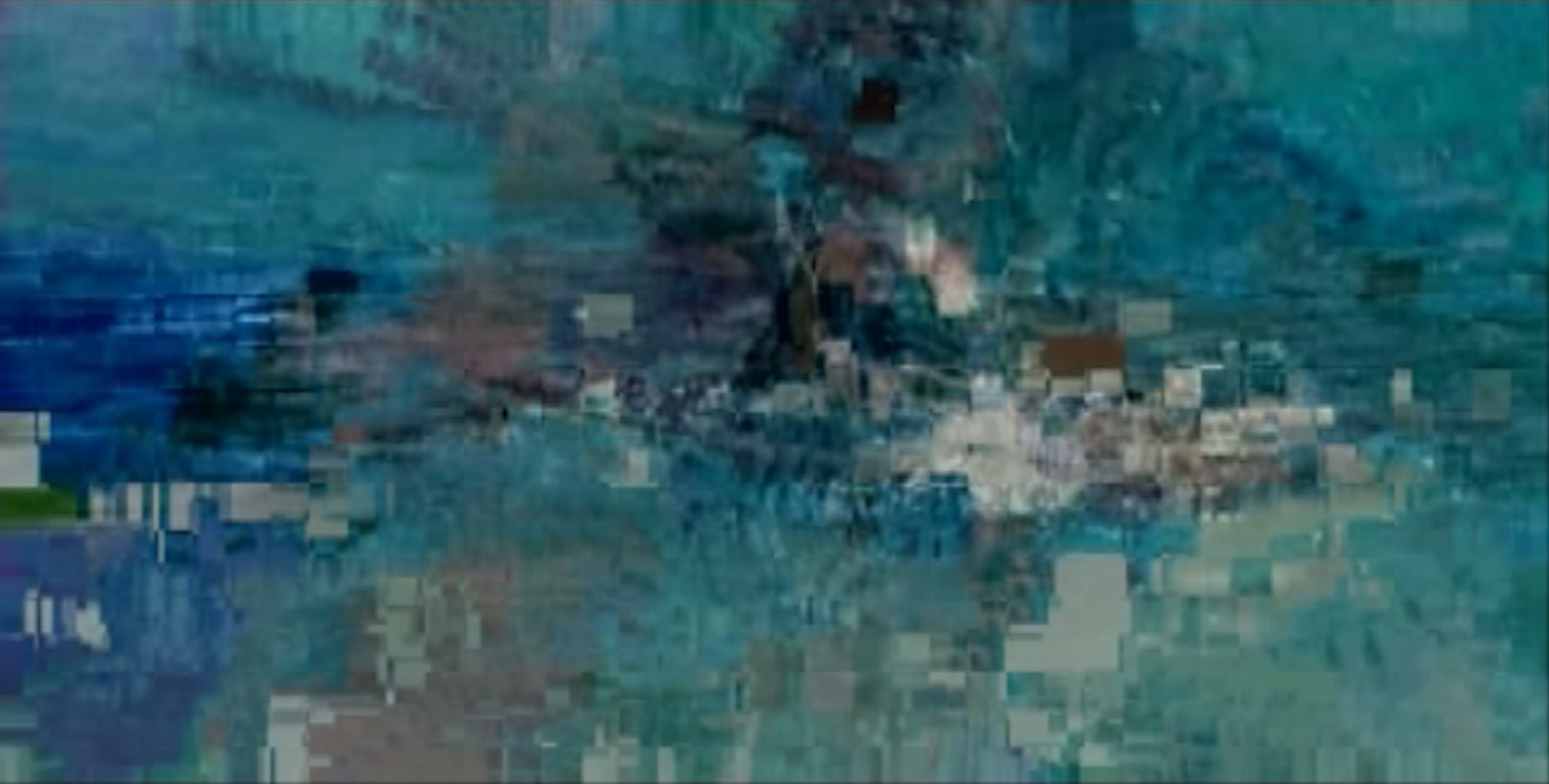
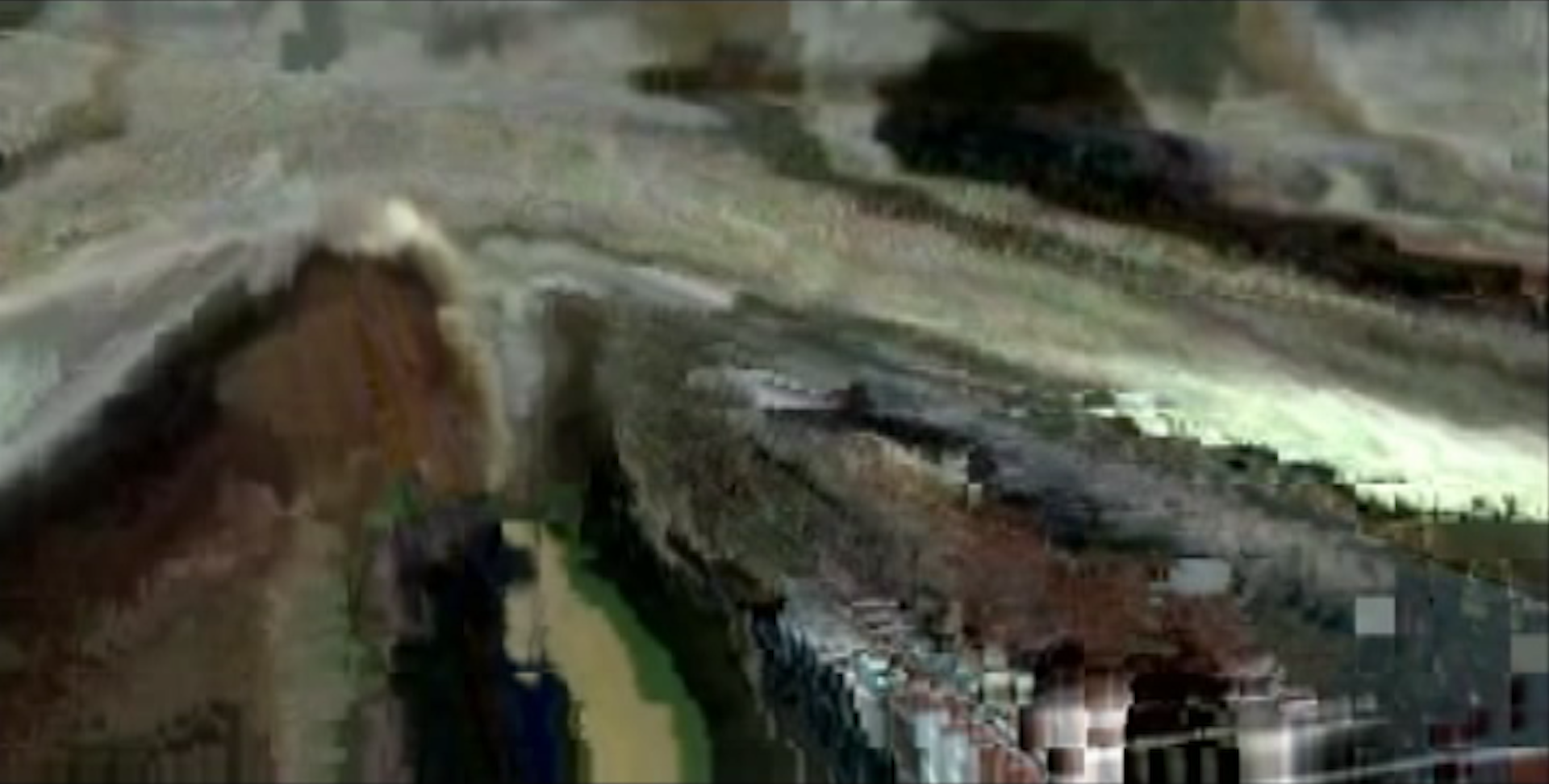
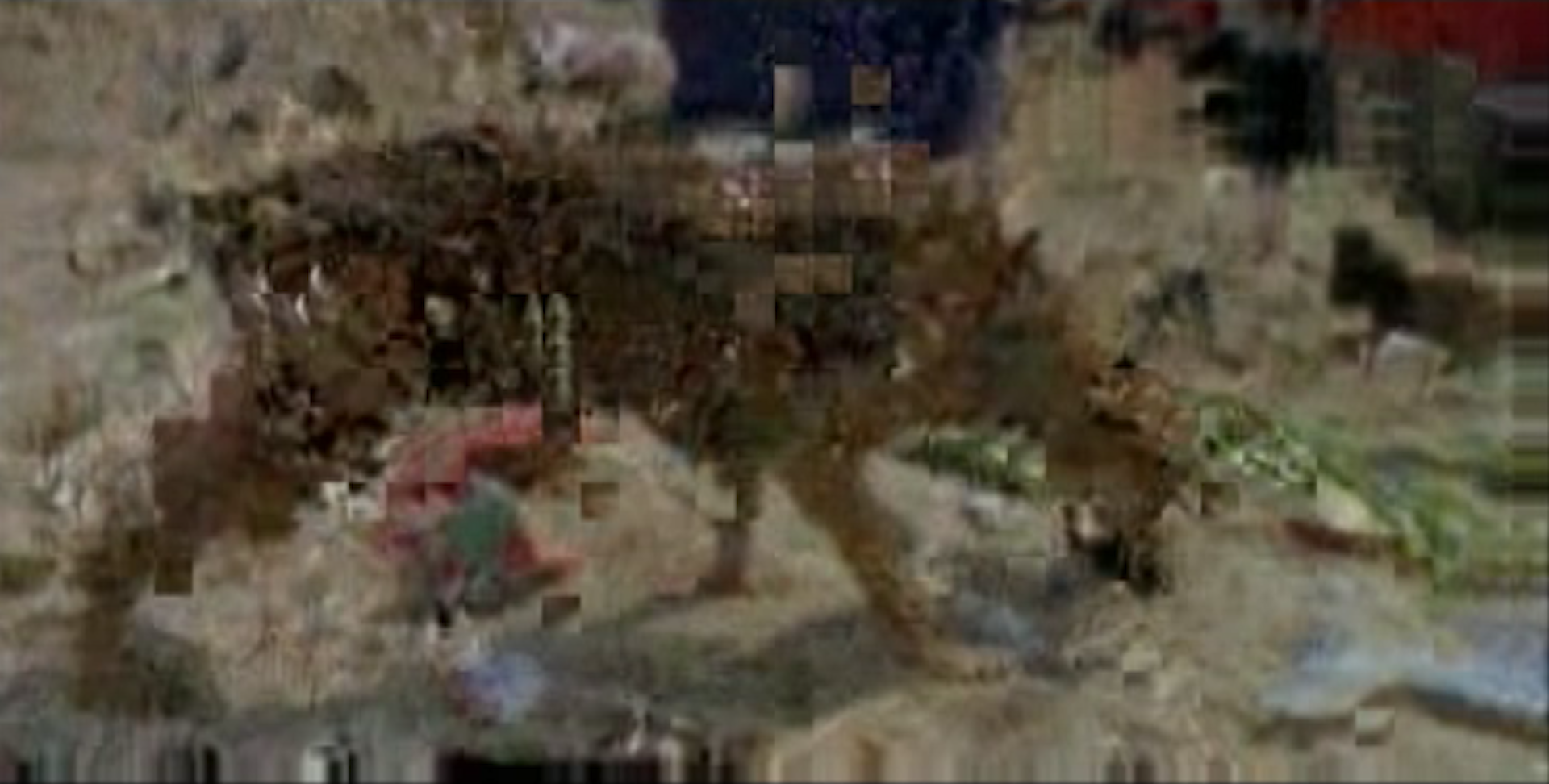
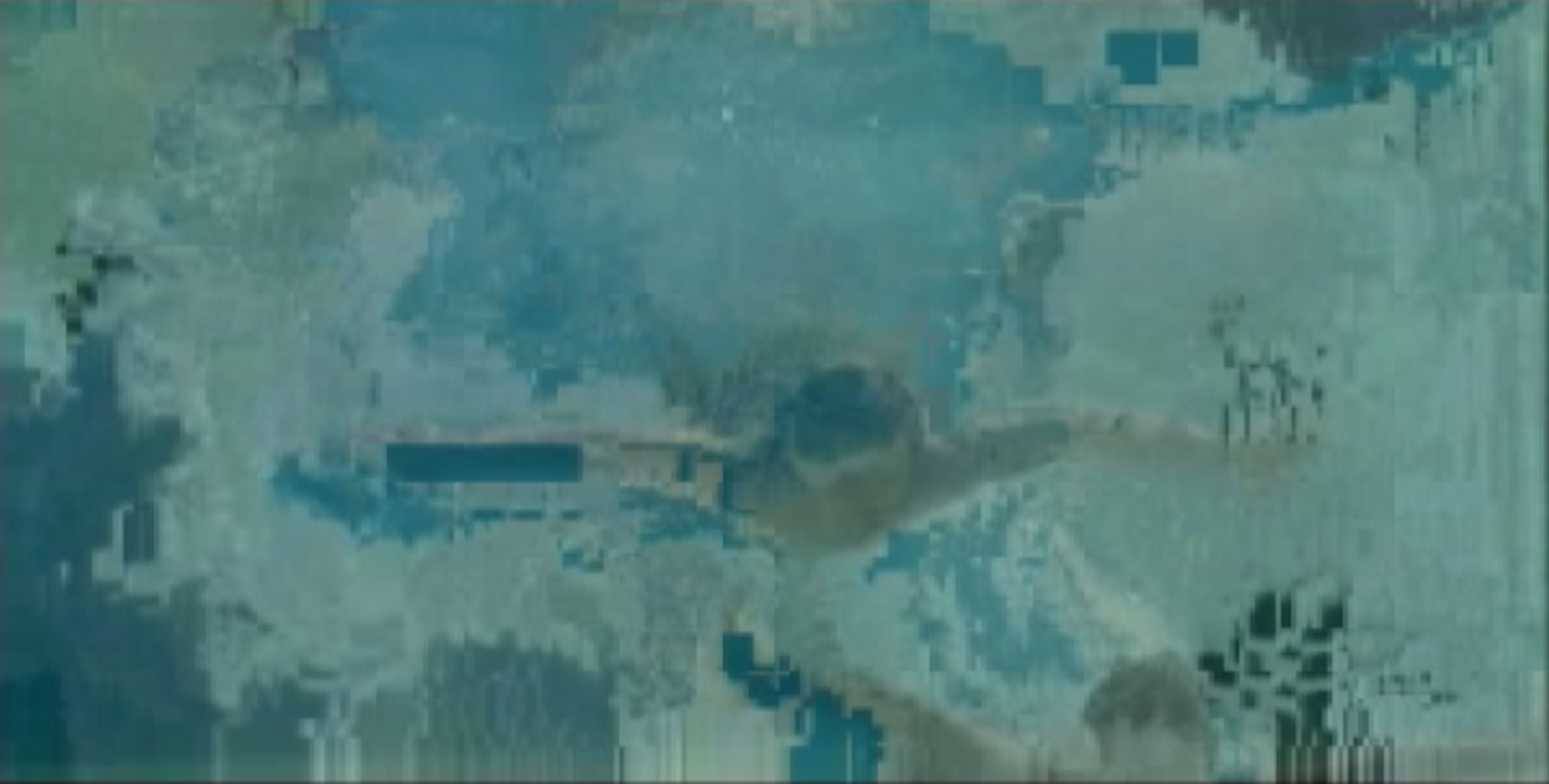
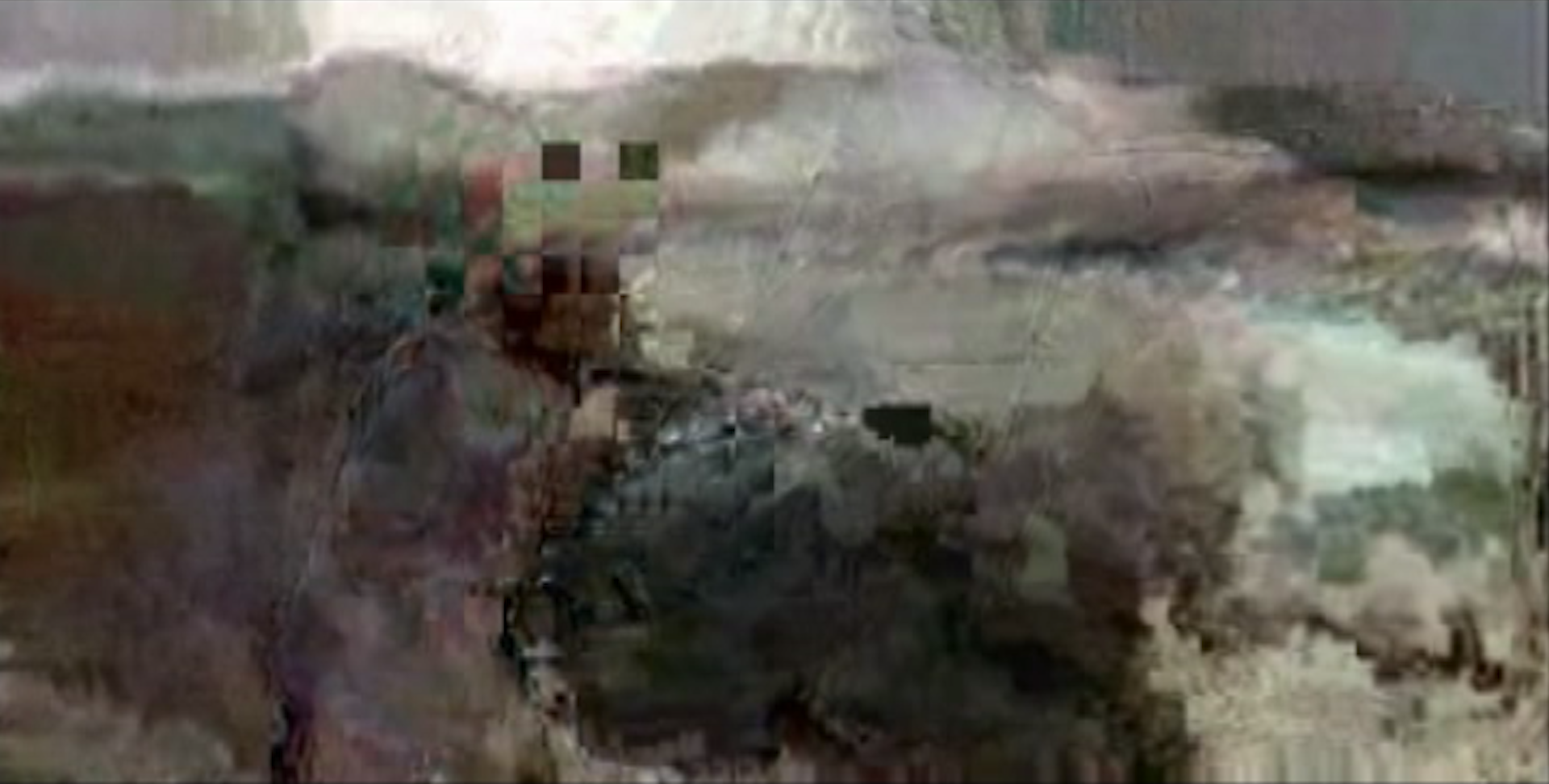
In a voiceover Stan Brakhage articulates his resentments about the use of computers for art production and in general. This comment is contrasted by video imagery turning more and more abstract until it bursts into a sea of square pixels. The video is an ironic illustration of Brakhage’s views as these “defunct” images reveal a kind of beauty of their own.
Country, year
Austria, 2004
Runtime
3 min
Concept, editing
Sebastian Brameshuber
Thomas Draschan
Producer
Sebastian Brameshuber
Thomas Draschan
Amour Fou Filmproduktion Vienna
Film format
Digital found footage
Screening format
35mm, Digibeta, 1:1,33, stereo
World premiere
Split International Festival of New Film 2004
Festivals (selection)
Split International Festival of New Film 2004
Viennale 2004
Impakt Festival for Critical Media Culture, Utrecht 2004
Media Art Friesland, Leeuwarden 2004
BFI London Film Festival, Experimenta 2004
Max Ophüls Preis, Saarbrücken 2005
Curtas Vila do Conde 2005
Ann Arbor Film Festival 2005
Onion City Experimental Film and Video Festival, Chicago 2005
25 FPS Zagreb 2005
EMAF European Media Art Festival, Osnabrück 2005
Nashville Film Festival 2005
Viper Basel 2005
Hong Kong International Film Festival 2005
Experimenta Tour, BFI London Film Festival 2005
Highlights Tour, Impakt Utrecht Festival 2005
Best of Media Art Friesland Tour 2005
Ann Arbor Film Festival Tour 2005
Filmoteca Española, Madrid 2006
Awards
No Budget Award, Hamburg Int’l Short FF 2005
Honorable Mention, Media City FF 2005






1/7
Excerpt from the interview “A Distrust of Myself, of the Other Within Myself” — P. 1
by Alejandro Bachmann
Excerpt from Bilder, Falten (Le Studio, Edition 1)
Side Effects
In Preserving Cultural Traditions in a Period of Instability, images flutter through the film like a butterfly, moving back and forth, sometimes assuming the shape of a dog, sometimes turning into abstract surfaces, blue pixels, a swimming pool or the sea. The film is based on image artifacts, the actually undesirable side effects of digital compression processes that here define and fill the image plane. They are accompanied by the off-screen voice of Stan Brakhage, who expresses culturally pessimistic thoughts about digital development, the use of computers, and art in general. The loss of poetry that he bemoans and the ephemeral that he ascribes to the digital are further pursued and explored on the image plane. This reference to the past is also reflected in how the images move back and forth. The structuralist principle is taken up on the sound level by a repetitive sound. The image artifacts narrate the unstable relationship between the pictures and what they depict, their defects revealing how they were generated.
Artifacts emerge during the compression of information. In them, the imperfection of this compression, the corruption of information, becomes visible. In this film, the digital compression process ultimately turns into a poetic process. The faulty images assume their own meaning here, and no longer merely refer to something that they defectively depict, but repeatedly elude this relationship of representation. In this way, the damaged image finds itself. The defects are lost, because the pictures are suddenly allowed to exist in their own right. Thus the viewer’s gaze glides past the representation and illumination to the beauty of the pixels and abstract surfaces, which now stand for themselves and condense to form something new and original. In this case, digital compression is just another term for poetry.
From Bilder, Falten (Le Studio Edition 1)
André Siegers